Bodily Fluid Cleanup
Bodily fluid cleanup and disinfection for homes, care settings and businesses.
See bodily fluid cleanupGet human feces removed from a home, rental, workplace or public restroom in East Bluff. The affected area is cleaned, disinfected and treated for odor before normal use resumes.
Human feces cleanup is the controlled removal of fecal matter, followed by cleaning, disinfection, safe waste disposal and odor treatment in every affected area.
This type of cleaning may be needed because of an accident, illness, overflowing toilet, hoarding condition, sanitation issue or recurring contamination in shared space. Suitable locations include homes, apartments, hotels, care settings, stores, offices, schools and public restrooms. If the area contains both feces and urine, cleanup may address them together.
Removing what you can see is only one part of the work. Technicians set up a work zone and shield nearby areas, then discard contaminated items that cannot be disinfected. Hard surfaces are cleaned before an EPA-registered disinfectant stays on for the entire contact time stated on its label. Air quality and odor work come after the source is removed, rather than relying only on fragrance.
You receive an explanation of items to clean or possibly remove, plus anything that may change the job, prior to the start. You can ask questions throughout the entire process.
When requested, pictures, work details and disposal paperwork can be organized for insurance companies, property managers and property owners.
Belongings are checked with you when practical. Workers do not classify belongings as waste based solely on proximity to the affected area.
Calls are answered during daytime and nighttime hours, and crews may use unmarked vehicles. The discussion about your circumstances remains respectful and calm.
The condition, location or amount of contamination can make household cleaning impractical or unsafe. These are common circumstances in which professional cleanup services are appropriate:
Employees and visitors need to remain outside a controlled cleaning area when waste is found in a hallway, office, store, stairwell or restroom.
Carpet, wood, upholstered surfaces and grout can absorb combined contamination. Source removal is needed before stains and odor can be treated.
Several rooms may contain accumulated waste, with some of it hidden among personal items. Careful sorting separates contaminated possessions from other personal property.
Employers may require a prompt cleaning process with documentation when an event occurs in a workplace restroom, office, vehicle or another common area.
Begin by reducing contact and keeping contamination from spreading to another area. While you arrange a suitable cleanup service, follow these steps:
Call (888) 440-9227Published guides put human waste cleanup between $400 and $1,500 on average according to Yelp Costs. A larger spread into porous material costs more, and a blood cleanup guide lists $4,000 for its deep spills as a point of comparison. These are not quotes. Your final price depends on the area affected, the surface type and odor treatment.
Published national cost guides are the source for these ranges, rather than an inspection of your property. The price for your property is set after the on-site assessment, and you hear it before work starts.
Ask about cost: (888) 440-9227Your policy's terms, exclusions and limits, along with what caused the contamination and which property was damaged, determine whether coverage applies.
Businesses generally arrange cleaning for the premises they occupy. Keep the affected area restricted through completion, and find out which documents the insurance company requires.
Who is responsible may vary based on local rules, the lease and what caused the damage. When practical, property owners should record the damage and contact the insurer before throwing away affected building material.
Confirm with your insurance company whether the policy covers the cause and treats cleaning, damaged-material removal and restoration as distinct claim items. An unexpected incident and ongoing neglect may receive different coverage treatment.
Your claim may be supported by photographs, detailed work scope and disposal documentation. Find out if the cleaning service is your choice and whether restoration services need their own authorization.
Remediation uses a controlled sequence that prevents waste from passing out of dirty areas and into clean spaces. Before cleaning starts, you receive an explanation of what is included at every stage.
During assessment, trained technicians locate affected areas and surfaces, note access limits, and check for urine, needles, an active sewage backup or blood.
While the affected space is restricted, cleanup technicians put on protective gear appropriate to the hazard. Controlled, clean access paths help keep contamination away from nearby rooms.
Visible waste is lifted carefully instead of swept or sprayed. Sealable sturdy bags or containers receive discarded material directly.
With your permission, workers may remove carpeting, padding, raw wood, drywall or furnishings that cannot be completely cleaned, keeping them apart from unaffected belongings.
Cleaning first removes visible soil and residue from solid surfaces. The product can work only if it contacts the surface for the amount of time stated.
The surface receives a suitable EPA-registered disinfectant used as its label directs. When contact could have carried contamination, cleaning also covers nearby surfaces and frequently touched points.
Odor work starts only after removal of its source. When odor or airborne material reaches surrounding spaces, air scrubbers and specific treatments may be appropriate.
Workers inspect the cleaned space for odor, leftover material or areas that were missed. Local requirements guide management of bagged material, while repairs may start once cleaning is complete.
Call any hour. Your human feces cleanup specialist answers the phone, describes what happens next and works with you on a start time.
Human feces can contain disease-causing bacteria, viruses and parasites, so direct contact and accidental spread are the main health risks during cleanup.
Yes, you should consider fecal material a biohazard since illness-causing organisms may be present. Even dry-looking waste may remain hazardous, making contact with uncovered hands unsafe.
Hidden among the waste may be needles, shattered glass or other items that can cut you. Avoid hand-compressing bags and reaching through piles if the contents are not visible.
Carpet, padding, unfinished wood, drywall and upholstery can absorb liquid and residue below the surface. A surface wipe can leave contaminated materials and lingering smells behind.
Can you clean it yourself? A recent small spill confined to a sealed, non-porous surface might be manageable if you use disposable gloves, pick up the material cautiously and leave an EPA-registered disinfectant in place for the label's full contact time. Call for professional cleanup when waste is widespread, dried, mixed with blood or sharps, or soaked into carpet, wood, drywall, furniture or other porous material.
Materials that can be reached and fully disinfected are usually kept. Porous materials that absorbed waste may need removal because contamination can remain below the visible surface.
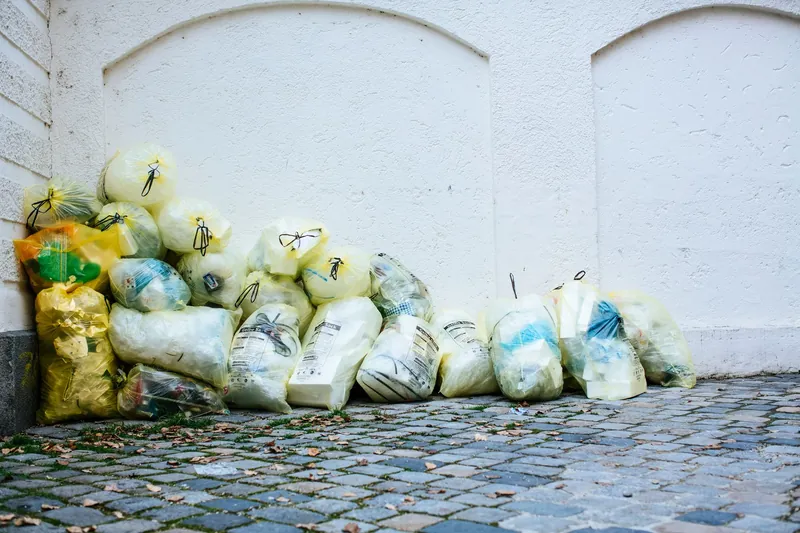
A small, contained hard-surface cleanup may take several hours. Multiple rooms, porous materials, hidden contamination or odor work can require one or more workdays, and repairs take additional time.
| Scene | Typical time on site |
|---|---|
| Small, recent hard-surface area | Often completed in several hours |
| One room with porous materials | May require a full workday |
| Several rooms or accumulated waste | May require multiple workdays |
Odor removal starts by finding and removing every source. Fecal matter can remain beneath carpet, along baseboards, in grout, under furniture or inside damaged building materials. Fragrance may cover the smell briefly, but it does not clean contamination left behind.
Once removal and disinfection are complete, airborne particles may be captured with air scrubbers, while controlled drying and ventilation help improve the room. An odor that continues may signal concealed residue, moisture, urine or a plumbing issue that remains active. Before normal use or repairs can proceed, those causes must be addressed.
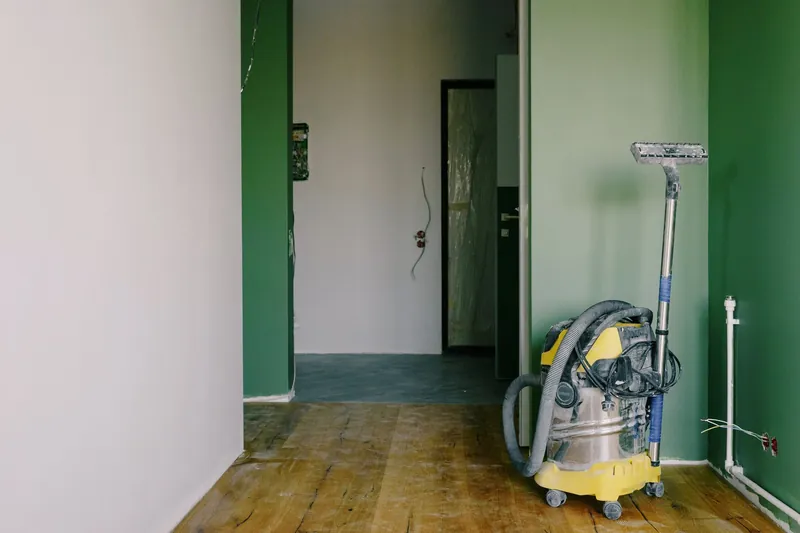
The full human feces cleanup guide covers what is cleaned or removed, odor and air quality work, and the rules that apply in your state.
Read the full human feces cleanup guideContainment, entry and cleanup plans can be influenced by local housing, population and access details.
At roughly 5 miles away, SSM Health St. Mary's Hospital, Madison is the closest listed hospital for urgent care after a cut, puncture, or exposure.
East Bluff is near Trinity Park, North Side, and Nobel Park, so say which town or neighborhood the property is in when you share its address.
Properties within this Madison neighborhood may share alleys, entries, or parking, so equipment movement should be planned around nearby residents.
You can ask about cleanup in nearby communities and ZIP codes during the call.
Bodily fluid cleanup and disinfection for homes, care settings and businesses.
See bodily fluid cleanup
For furnishings, flooring and subfloors, urine cleanup includes odor removal.
See urine cleanup
Cleanup and disinfection remove vomit and prevent norovirus and other germs from spreading.
See vomit cleanup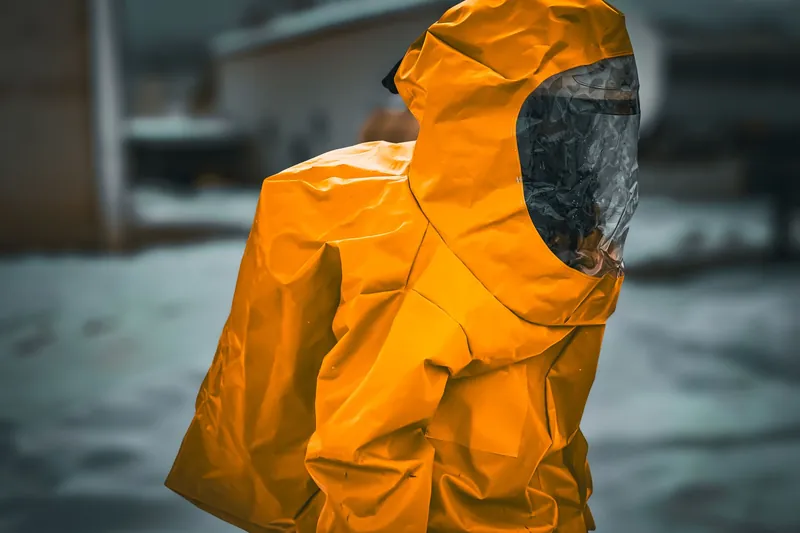
Blood, body fluids and other infectious materials are removed, followed by property disinfection.
See biohazard cleanup
Rooms, surfaces and air receive complete decontamination following infectious or hazardous exposure.
See biohazard decontamination
Hoarding cleanup with respectful sorting, removal and deep cleaning.
See hoarding cleanup
Filth and squalor cleanup for homes that have become unsafe to live in.
See filth and squalor cleanup
Raw sewage cleanup of Category 3 black water, with disinfection and drying.
See raw sewage cleanupYes. Human feces can contain bacteria, viruses and parasites that cause illness, so you should avoid direct contact and prevent tracking into nearby rooms. The waste itself, duration and individual involved all influence the exposure risk. Contamination that is broad, dried or soaked into surfaces requires professional biohazard cleanup.
It can be covered, although the specific event and policy language matter. Repeated contamination, neglect and maintenance problems may receive different treatment than a sudden loss covered by the policy. Explain what occurred and ask the insurer about affected materials and biohazard remediation, including the deductible, exclusions, limits and necessary records, before major items are discarded.
Consider professional cleanup if feces are widespread, dry or recurring, contain blood or sharp objects, or have affected carpeting, lumber, wallboard, furnishings or ventilation ducts. Help can also be appropriate for a hoarded residence or business location with impacts across several rooms or many people. You may be able to manage a minor recent spot on a sealed surface.
A small fresh amount on a sealed surface may be picked up with disposable tools and gloves, followed by cleaning and disinfection. Keep uncovered hands away, never squeeze bags and do not reach into places that may conceal sharps. Avoid manual cleanup when the material is extensive, dried, mixed with blood or absorbed into porous surfaces.
Remove visible soil first, then choose an EPA-registered disinfectant that is suitable for the surface and follow its label. Keep the treated area wet throughout the specified contact period. Never mix bleach, ammonia or other cleaning products. Porous material that cannot be reached and fully disinfected may need removal instead of more chemicals.
Odor alone does not tell you the level of danger, but disturbing dried fecal matter can release contaminated dust or droplets. Avoid using a household vacuum, broom or brush on the material. You should leave, restrict airflow to uncontaminated rooms and get professional cleanup when waste has dried, covers a broad area or is in a poorly ventilated location.
Crews carry out respectful, discreet human feces cleanup, arrive in unmarked vehicles and take calls 24 hours a day.